

Manyeleti Herpetofauna Survey 2025–2026
Results from two February surveys of reptiles and amphibians in Manyeleti Game Reserve. The first ran in a good wet year and the second in a year of extreme flooding.
A baseline across changing seasons
Manyeleti Game Reserve is a 47 000 ha protected area in the Greater Kruger area of the South African Lowveld. Each February, ABRE surveys the reptiles and amphibians of the reserve.
The aim is to build yearly baseline data on herpetofauna under different seasonal conditions. Rainfall varies a lot from year to year, and so far each survey has fallen in a very different season. In 2025 the reserve had a good wet year. In 2026, large parts of Limpopo had extreme flooding. The 2027 season is projected to be drier because of El Niño.
Repeating the same methods each year means the results can be compared across wet, flooded and dry conditions.
- 38species recorded
- 16amphibian species
- 22reptile species
- 2 223specimens in 2026
How we survey
Each survey uses the same trap layout and search effort, so the results from different years can be compared.
- 8 trap arraysEach array has 4 pitfall traps and 9 funnel traps, and every array is checked daily.
- 21 trap nightsThe traps stay open for 21 nights in each survey, over three weeks in February.
- Night drivesSpotlight searches for flap-necked chameleons, Chamaeleo dilepis.
- FroggingNight-time searches for frogs.
- Crocodile countOne night-time spotlight count of Nile crocodiles in each survey.
Two seasons, very different numbers
Across the 2025 and 2026 surveys we recorded 16 amphibian species and 22 reptile species. The number of animals caught changed sharply between the two years.
specimens recorded over the survey.
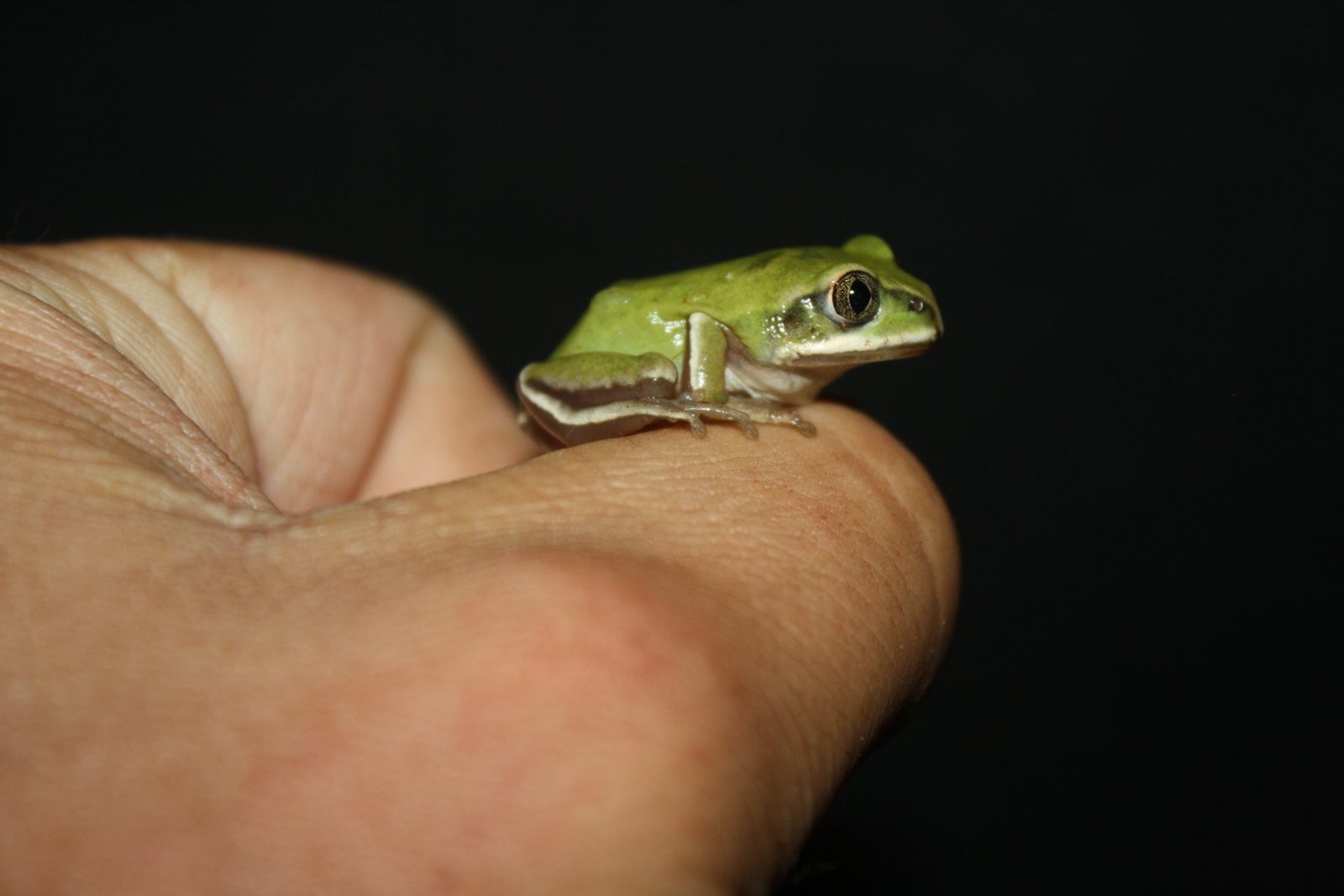
specimens recorded, almost four times as many as in 2025. Most of them were frogs, which did well in the very wet conditions.
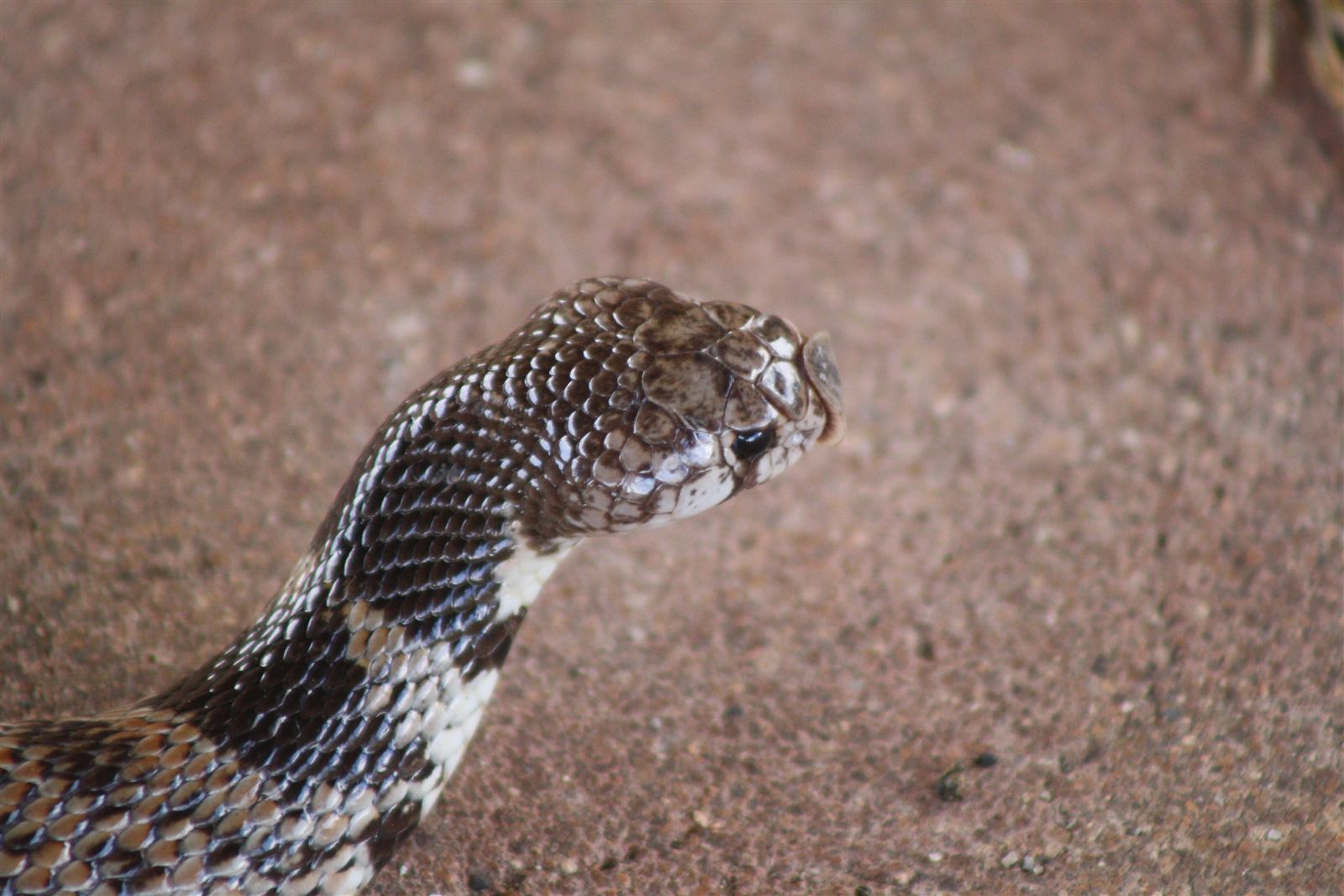
Shield-nose cobra in a funnel trap
In 2026 the team caught a shield-nose cobra, Aspidelaps scutatus, in one of the funnel traps.
This small venomous elapid is named for the enlarged scale on its snout, which it uses to dig through loose soil. It spends most of its time underground or active at night, so it is rarely seen. The capture shows how standardised trapping can record species that searching by sight alone would probably miss.
Building the baseline
Each new year adds to the picture of how reptile and amphibian communities at Manyeleti respond to changing rainfall.
2025: wet year
The first baseline survey, carried out after good rains.
2026: flood year
Extreme flooding across large parts of Limpopo, and almost four times as many specimens, mainly frogs.
2027: dry year
El Niño is expected to bring drier conditions. The survey runs from 1 to 21 February 2027.
Life in the veld
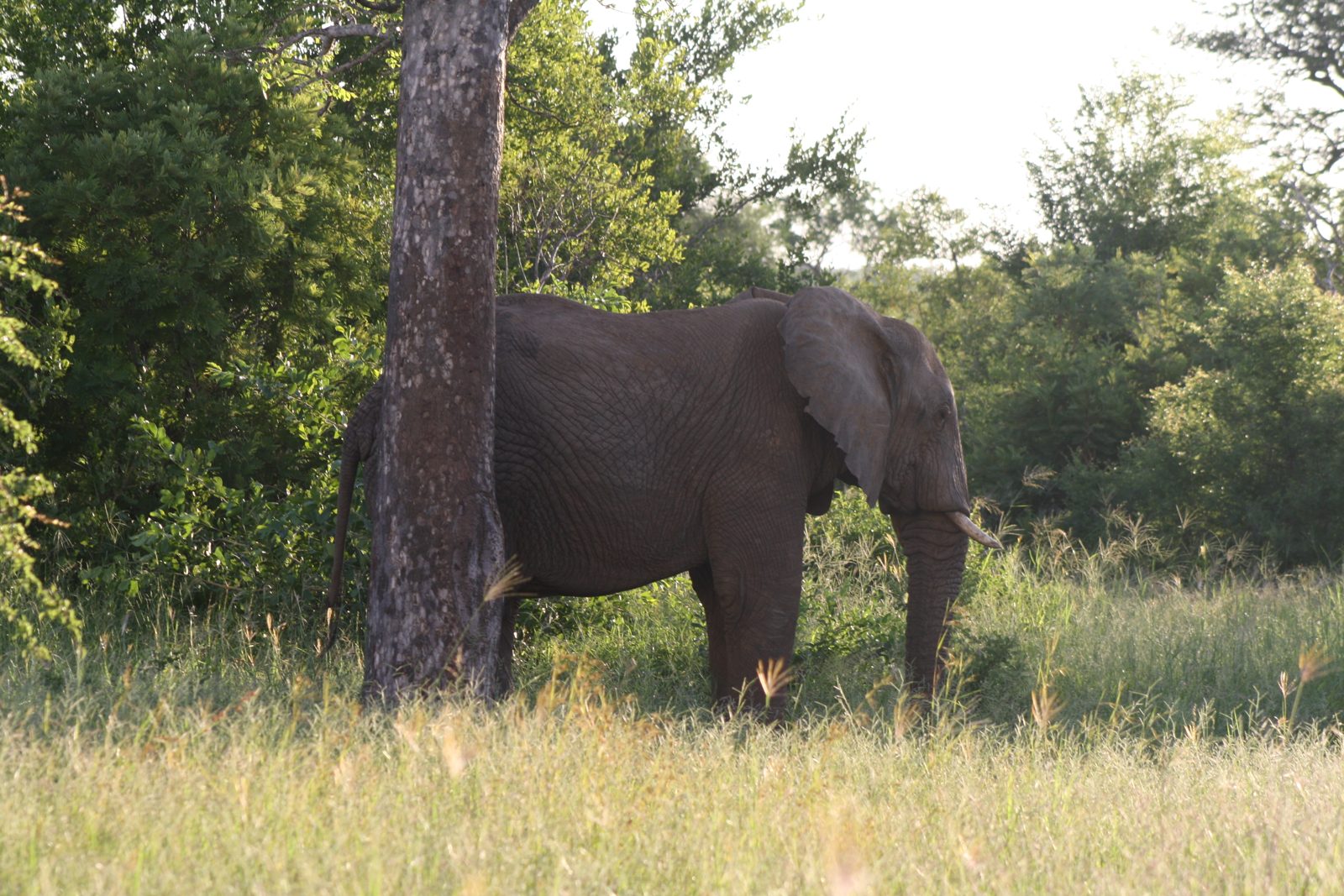
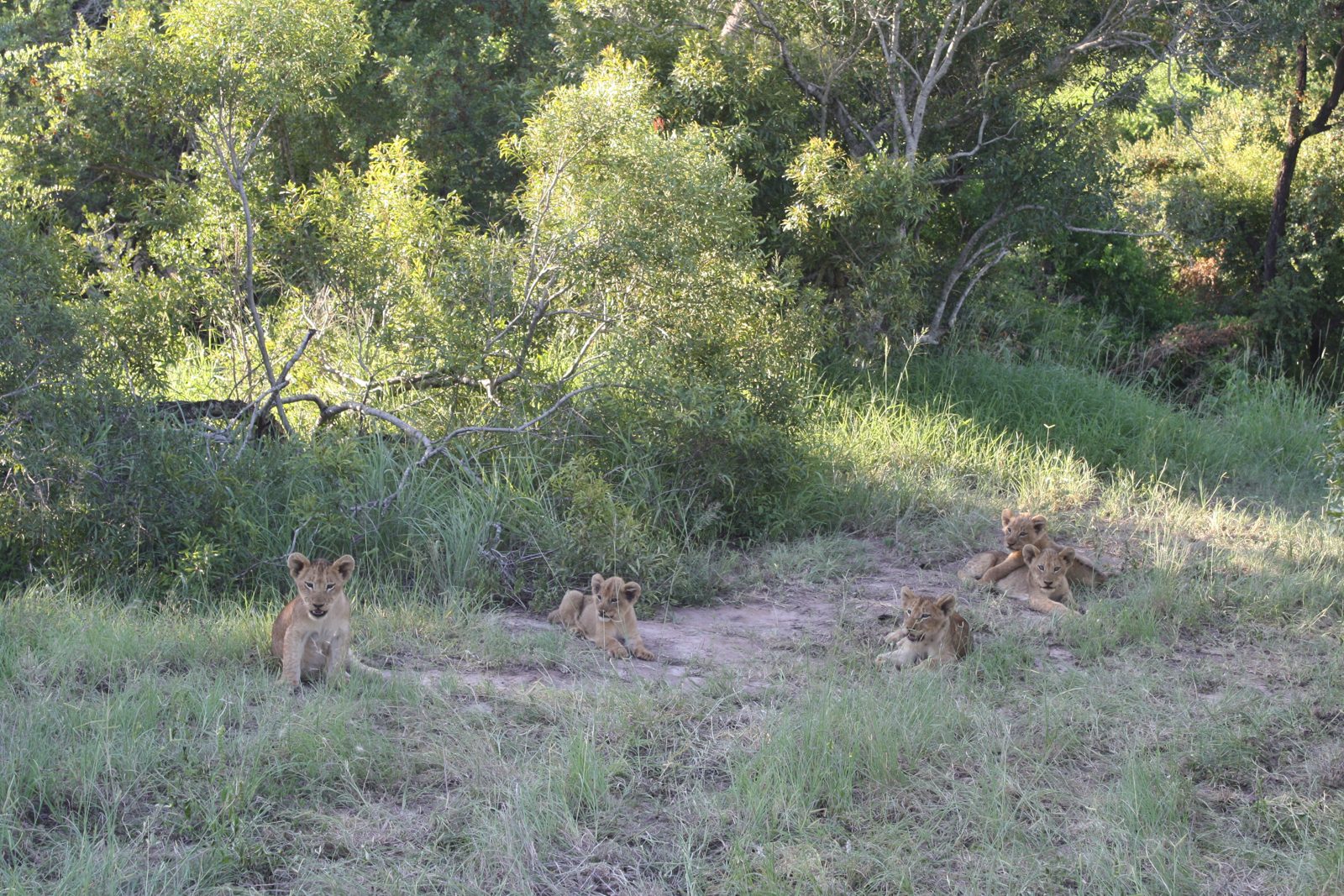
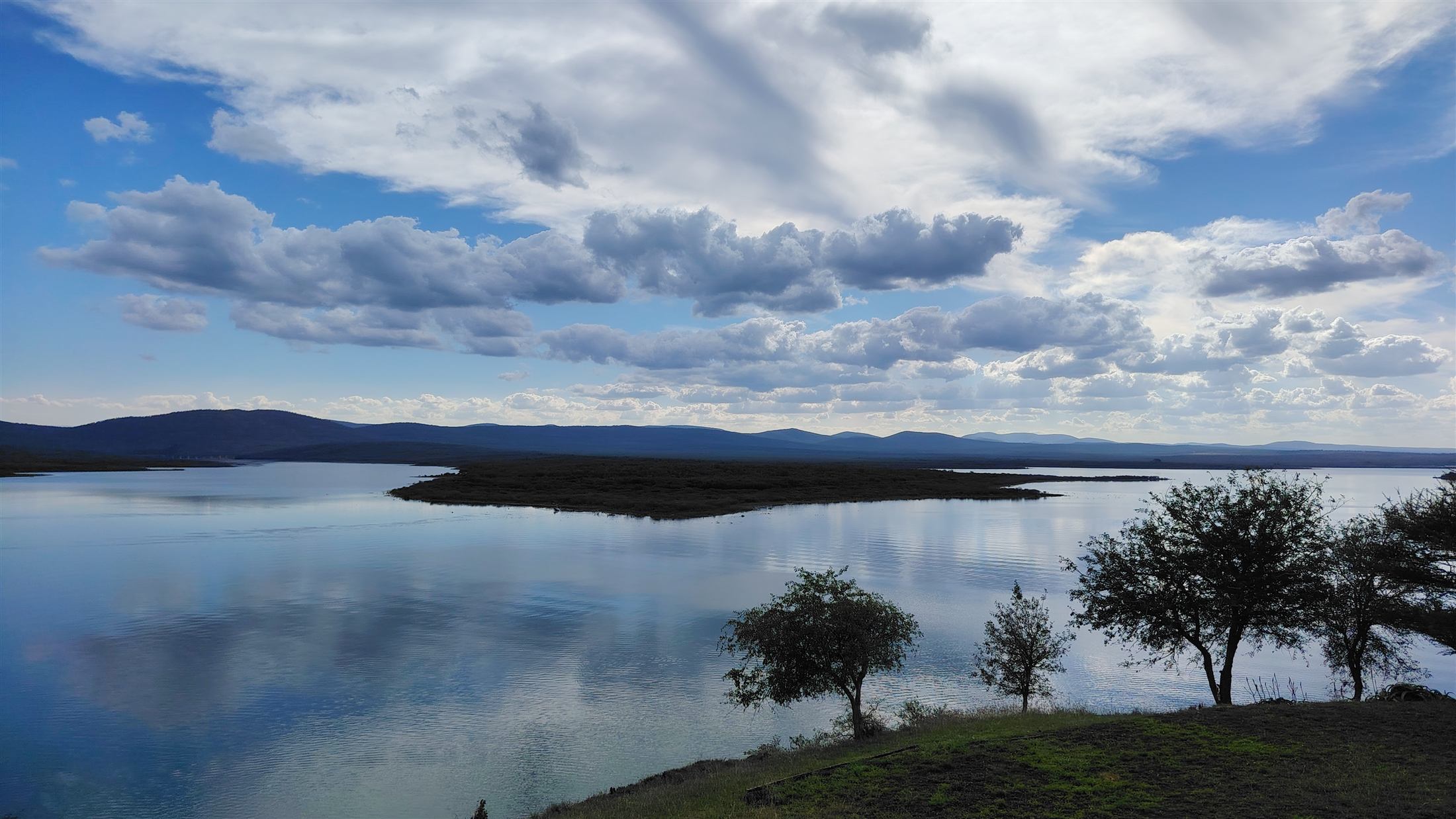
Survey days are spent in the veld from early morning until late afternoon, so sightings of other African wildlife are common.
Help record the dry year
The third Manyeleti survey runs from 1 to 21 February 2027.